
Where To Have Dive Encounters With Whale Sharks Responsibly
For most scuba divers and ocean lovers, seeing a whale shark in the wild sits squarely at the top of the bucket list. And it is easy to understand why. There is something profoundly humbling about floating in the blue and watching a school bus-sized fish glide effortlessly past you, completely unbothered by your presence. Despite their massive size and cavernous mouths, these filter-feeders are completely harmless to humans, feeding almost exclusively on microscopic plankton, krill, and small fish.
However, as the popularity of swimming with whale sharks has exploded over the last decade, so have the ethical concerns. In some parts of the world, mass tourism has led to harmful practices. Operators overcrowd the water, boats accidentally strike the animals, and some destinations heavily feed the sharks to guarantee sightings for tourists. This artificial feeding disrupts their natural migration patterns, alters their diet, and creates an unhealthy dependency on humans.
The good news? It is entirely possible to have a breathtaking, close-up encounter with a whale shark in a way that is respectful, sustainable, and purely natural. If you want to experience the magic of these gentle giants while supporting conservation efforts, here are the best places in the world to do it responsibly.
 1. The Galapagos Islands, Ecuador
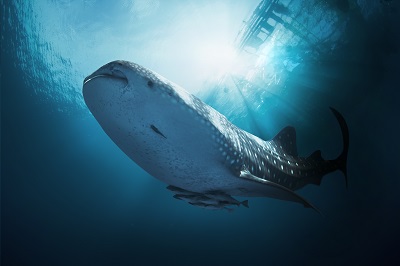
If you are an advanced scuba diver looking for the most wild, untamed whale shark encounter on the planet, you need to book a liveaboard to the Galapagos Islands. Specifically, you want to head to the remote northern islands of Wolf and Darwin between June and November.
Diving here is not for the faint of heart. You will be dealing with heavy surge, thermoclines, and ripping currents. But the reward is unparalleled. The Galapagos is one of the only places in the world where the vast majority of whale sharks encountered are massive, fully mature, pregnant females. They use the nutrient-rich currents as a pelagic highway. Encounters here are strictly regulated by the Galapagos Marine Reserve. There is no feeding, no baiting, and no chasing. You simply tuck yourself behind a barnacle-encrusted rock, look out into the deep blue, and wait for a colossal shadow to eclipse the sun as it swims naturally through the channel.
2. Ningaloo Reef, Western Australia
While diving with whale sharks is the ultimate goal, it is worth noting that some of the best and most strictly regulated encounters in the world are snorkel-only. Ningaloo Reef in Western Australia is the gold standard for ethical whale shark tourism. Between March and July, massive coral spawning events attract hundreds of whale sharks to this fringing reef.
The Australian Department of Biodiversity, Conservation and Attractions manages the area with military precision. Only a limited number of licensed operators are allowed in the marine park. Spotter planes are used to find the sharks naturally, and there are incredibly strict rules in place: a maximum of 10 swimmers in the water at a time, no scuba tanks or flash photography, and you must maintain a strict distance of three meters from the head and four meters from the tail. Many of the operators here are heavily involved in citizen science, allowing you to upload your photos of the sharks’ unique spot patterns to global databases to help track their movements.
3. South Ari Atoll, Maldives
Most whale sharks are highly nomadic, traveling thousands of miles across open oceans to follow food sources. But the South Ari Atoll in the Maldives is entirely unique because it hosts a year-round resident population of whale sharks. Interestingly, the vast majority of the sharks found here are juvenile males, leading scientists to believe this atoll serves as a sort of secondary nursery for the species.
The Maldives Whale Shark Research Programme (MWSRP) works closely with local dive operators and liveaboards to ensure encounters remain sustainable. While you can certainly snorkel with them, this is also a fantastic destination for scuba diving encounters. Because the sharks are here year-round cruising the reef edges, divers exploring the stunning thilas (underwater pinnacles) often get the surprise of a lifetime when a whale shark casually swims through their dive group. Choosing a liveaboard or resort that actively partners with the MWSRP ensures that your tourism dollars are directly funding local marine biology and conservation.
4. Socorro Islands (Revillagigedo Archipelago), Mexico
Often referred to as “Mexico’s Little Galapagos,” the Revillagigedo Archipelago is a remote volcanic island chain located 240 miles off the southern tip of the Baja California peninsula. Accessible only by liveaboard, this destination is legendary for its massive pelagic life, including giant oceanic manta rays, dolphins, and up to ten different species of sharks.
Starting in May and running through November, the ocean temperatures shift, and whale sharks arrive at the seamounts to feed. Because the islands are a highly protected Mexican national park and a UNESCO World Heritage site, the diving here is pristine and strictly governed. Encounters happen deep underwater at sites like Roca Partida and San Benedicto. There is absolutely no chumming the water; the whale sharks are simply there going about their natural business. Seeing one emerge from the deep blue while you are already surrounded by schooling hammerheads and playful mantas is an experience that will ruin you for normal diving forever.
5. The Philippines (Ethical Zones)
The Philippines is one of the most reliable countries in the world for whale shark encounters, but it requires a conscious choice by the diver to do it ethically. While certain tourist hotspots in the country have popularized the daily hand-feeding of whale sharks to guarantee shallow-water photo ops for massive crowds, there are several regions that strictly forbid these practices.
Donsol Bay, for example, pioneered ethical whale shark tourism in the country, operating under strict no-feeding policies where interactions are kept completely natural. For scuba divers, Southern Leyte offers incredible opportunities to see them naturally migrating through the deep channels.
Furthermore, because these animals are constantly on the move through the nutrient-rich waters of the Visayas, you do not necessarily need to be at a designated “whale shark hotspot” to see one. It is actually quite common for lucky divers to have breathtaking, completely wild encounters with them out in the blue while scuba diving bohol or slowly drifting along the spectacular coral drop-offs when diving Balicasag. By choosing to dive in protected, healthy marine sanctuaries rather than artificial feeding zones, you are supporting the natural ecosystem that these pelagic wanderers rely on.
Look, But Don’t Touch
Regardless of which destination you choose, the rules of a responsible encounter remain the same. Never touch, ride, or chase a whale shark. Let the animal dictate the interaction. If a whale shark is curious, it will approach you; if it wants to leave, a single flick of its massive tail will leave you in its wake anyway.
By spending your money with eco-certified operators and refusing to support operations that bait or feed wildlife, you are directly contributing to the protection of this vulnerable species. The ocean is their home, and we are just incredibly lucky guests getting a brief glimpse into their world.